

What's the average check or average ticket ?
The
average check is the average basket amount spend by each customer who visits your restaurant, it is an
interesting performance indicator.
To obtain it, divide your turnover by the number of customers of
your establishment over a predefined period (lunch service, evening service, on a time slot, day, month,
season, year ...):
Average check = Turnover / Number of customers
This
simple ratio has already been discussed in this
post about restaurant margin indicators.
Its calculation will allow you to know the average
basket of your customers and guide your sales.
There are 3 main axes to act on to increase the
average ticket for your establishment:
- Attract more customers to your restaurant
- Bring back your customers, that is to say the loyalty
- Increase the expense of each
client in your establishment
We
propose here to mention only the previous point 3, ie on the sale to customers inside your
restaurant.
Some simple and concrete actions can be put in place to increase the average ticket of
each service and thus the profitability of your restaurant.
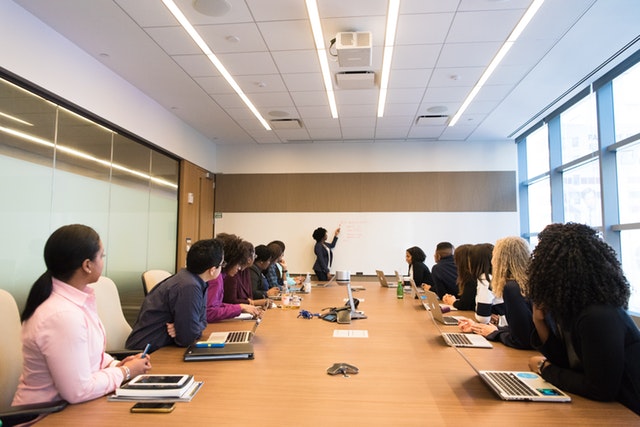
Train and motivate your
team
Continuous training enables employees to do their jobs properly and helps them increase their self-confidence when talking to the customer. You will probably feel more comfortable buying from someone who knows his product rather than someone who does not know it.
How
can you develop this knowledge within your team ?
Train your
staff
Highlight training as part of staff
integration, develop knowledge tests of written menus and test them periodically
thereafter.
Know your menu in détails
If a
server is mistaken in presenting promotions or can not answer questions about the dishes, customers will
lose confidence in your restaurant's products. On the other hand, a server that easily answers questions and
then makes an appropriate recommendation for a particular dish is a server that is likely to gain the trust
of customers, which can lead to new sales.
You need to be able to propose interesting associations on
the menu. You have to know which dishes on the menu are more profitable or what are the promotions of the
moment to be able to offer as much as possible the profitable dishes.
Do regularly testing of your menu
Have your menu tested, especially if changes are common: give your team regular opportunities to really taste the products. They must speak with experience when they are with the client. The customer always comes to realize when the staff does not know his product. This is especially important for special dishes. Present each new item to your staff at a meeting or tasting meeting.
Understand your clients
Train your team to ask the key questions to understand the customers and why they visit your restaurant. With this answers, staff can sell and cross-sell better, while generally creating friendly customer relationships, which will help formulate recommendations that customers will often follow.
Use affirmative language
Propose alternatives such as "Would you like a glass of wine with this starter ?" Rather than "What do you want to drink?" Give details and make proposals with affirmative language such as "I recommend our dish of the day, I tried earlier and it's delicious".
Spread a pleasant work
atmosphere
Create a good atmosphere: a happy staff, enthusiastic about the dishes they are trying to sell, will inspire confidence in their customers. Think about it, why would you spend your money on something a restaurant trained staff do not seem to believe?

Encourage financially
To motivate your staff, you can for instance challenge them on objectives, offering bonuses or benefits related to sales by the week or by the month.
In direct contact with customers, your
servers are inevitably your best asset to increase your average ticket: offer a drink, wine adapted to the
chosen dish, a dessert, a coffee ...
The servers must be perfectly trained on your menu, your
products and their provenance, as well as the accordance of your different dishes with your wines.
Personalized recommandations (such as wine) are highly appreciated by customers.
Do not hesitate to
indicate to your team, at the beginning of the service, what you wish to put forward!
Upselling and cross
selling
Upselling and cross-selling must be in place and used in your team.
Just to remember, the upsell or incentive sell is to offer profitable dishes or more upscale than those who are most frequently chosen. Cross-selling involves suggesting side plates or additional items such as a drink to accompany the customer's choices.
The key here is to do so respectfully so that the client feels appreciated and heard, not intrusively or overly motivated.
Recommend dishes with profit
potential
Help your servers focus on recommendations
for items with high profit. An average priced starter that costs virtually nothing to do could very well be
a better sale than anything that is more expensive.
Take a little time to analyze your menu and make
sure that the servers know which items have the best margins so that they can be sold. As a bonus, the
customer is more likely to be receptive to the suggestion of the server especially if it is not an expensive
option.
Gradually without being
boring
Ask your servers to be subtle and suggest a
higher-end alternative than what the customer had in mind: offer an addition to the initial choice or a
bottle of wine rather than several glasses to serve for the table for example.
If a client does not
seem interested in the recommendations, it is best not to insist.
It's common sense.
Propose special offer early
It is often logical to review the special
offers on customer arrival, but do not forget to start offering
drinks first ! Many customers will want to have a quick drink after sitting down.
It is quite
possible that a specific cocktail will draw the attention of a customer, who will end up spending a little
more enthusiastically. The earlier the drinks are served the more there is the possibility of a second round
of drinks before starting dinner. A simple additional round of drinks makes it possible to substantially
increase the average ticket.
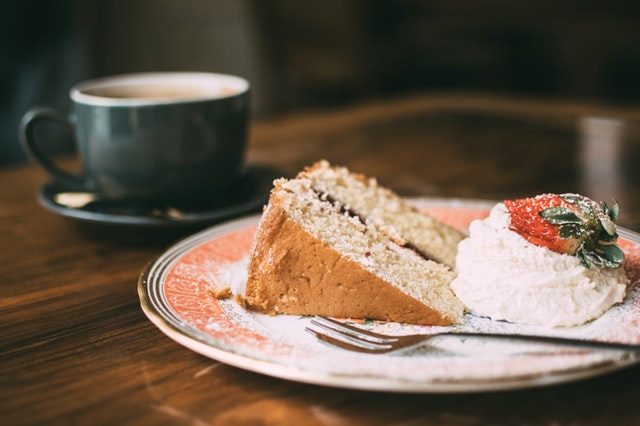
Suggest a dessert
It is a common practice but it can influence hesitant customers to finally take a dessert or a sweet specialty that you have suggested in a clever way to arouse envy or curiosity.
Recommend
sharing
If it seems that a table is not going to order any starters or desserts, servers may recommend sharing a dessert for example. Customers will be interested by sharing the costs without breaking the bank and this also allows you to grow the average ticket.
Think about menu design and
recipes
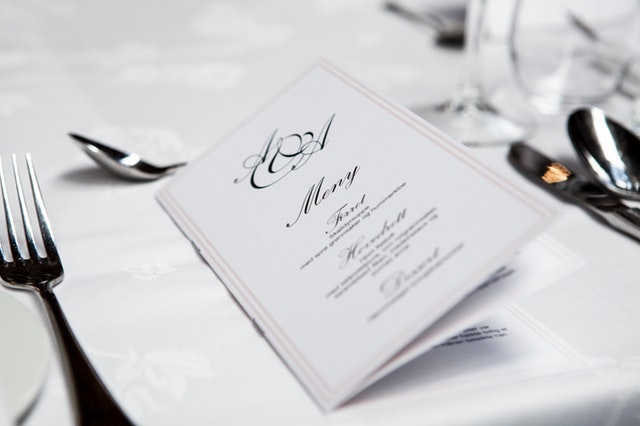
Add high-end products to your menu
it is
the upscale or upselling strategy.
There is always a psychological aspect behind a price and what your customer is willing to spend in your
restaurant. When you offer high-end products at a price higher than the average of your menu, this increases
the value perceived overall, even for other products sold at lower average price. This is also known as Price Anchorage. This means that you can slightly increase the prices of these items
without the customers being disturbed.
Suggest combo menus (starter/main/dessert combos)
Suggesting lunch or dinner menus with
combos of 2 or 3 types of dishes (starter / main course / dessert) or formulas with drinks is a great way to
suggest your customers to consume probably more than their initial desire attracted by the opportunity to
make a good deal.
Adjust quantities or portions of your recipes
Nothing has changed except the size of the portion. Ask any manager, small plates are very popular these days and are an effective way for restaurants to earn larger margins. Small plates are often more profitable, slightly reduce portions of the dishes can also increase the margin. It is also a good way to avoid the food waste mentioned here. You can also take inspiration from the Ratatool blog tips to manage your recipes in detail to measure your food cost, set your prices, or estimate your profit margins by portion.
Sell online if possible
Offer the possibility of ordering online
This will not work for all establishments, but if you can, add online orders to your restaurant's offers. Studies have shown that customers placing orders online tend to order more, increasing the average ticket by more than 20%.
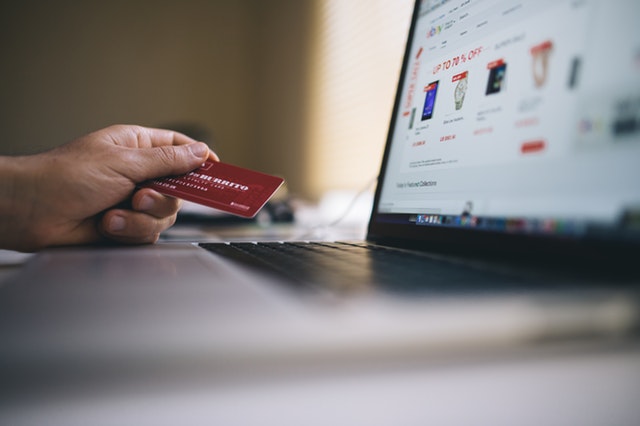
Automatic sale on your website
If you are in the ability to build a well structured, visually appealing online ordering system, you can take advantage of it to substantially increase your average ticket. You can then design a referral path process so that your customers are recommanded additional sales and cross-sell options when they create their orders. The impersonal automation, however, has some advantages in controlling the psychological factors and guiding the customer's incentive.
With a minimum of rigor, by planning a
minimum of these ideas, it is quite possible to significantly increase your average ticket.