
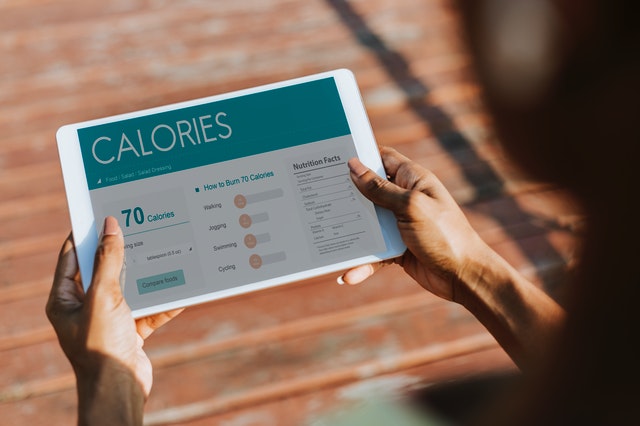
The modification of our consumption habits and awareness on healthy food makes it possible to question the possibility to add nutritional values of your recipes to your menu card in a transparent way to allow the consumer to make a choice. The question also sometimes arises after repeated requests from customers for more precise information on a dish on your menu.
In the United States, a 2018 law (resulting from the Obamacare public health legislation adopted in 2010) made it mandatory for restaurant chains to provide the number of calories per dish on menus, not yet for smaller establishments due to the surplus of work but this gives an idea of the trend.
For those who are wondering, it is
interesting to list a few ideas about informing consumers about nutritional values.
Why nutritional information on your menus ?
A customer request
It is not uncommon for your clients who are concerned about their healthy weight, or with dietary restrictions, asking you for the number of calories, for example salt, of a dish on your menu. It seems essential to have easy access to the nutritional information of your recipes.
The confidence of your customers
Providing your
customers nutritional information like the number of calories on the menu can be received as a form of
transparency from you and your restaurant. This should be viewed as a positive way to build customer
loyalty and promote your establishment.
A public health necessity
40%
of Americans are obese. Obesity
is a scourge of our western societies.
Serious studies have shown that, for large amounts of
food, the calorie content of our food is almost systematically underestimated. So we allow ourselves
a lot more deviations than we should and it's the door open to weight gain.
We all remember
the famous adages repeated many times: eat 5 fruits or vegetables a day or reduce fatty foods, too
salty, sweet ...
Some nutritionists believe that providing this nutritional information would
be a good way to educate them: they say we underestimate the calorie content of most
foods.
These are trends, the restaurant remains a moment of pleasure where some excess is
still allowed.
A necessity in collective catering
Certain catering activities where
food is served every day is part of the equation. Serve school canteens or businesses every day with
a variety of dishes, it is often necessary to master the average nutritional composition of the
dishes on the menu. In these cases, the need is obvious. It can even sometimes be accompanied by the
help of dieticians to ensure it scrupulously.
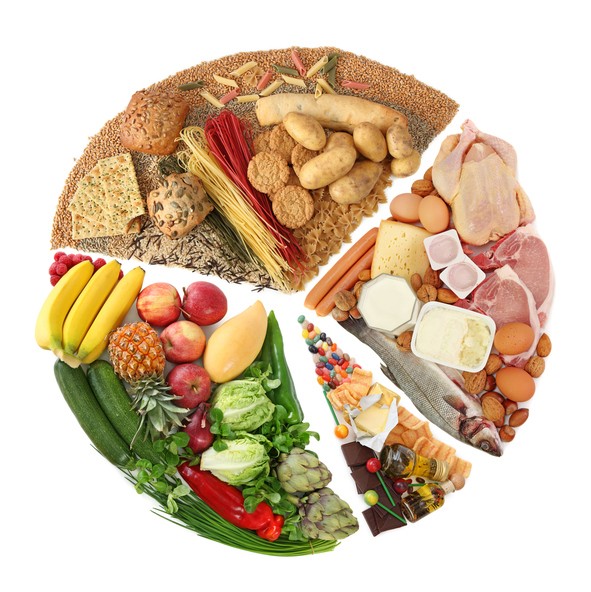
Which nutritional data ?
Nutritional information may be more or less
detailed and may not be suitable for every type (or size) of catering establishment. It is necessary to
inform in a precise and concise way but always positively such as for example focusing on a particular
factor (salt, fats, fibers, vitamins, calories ...) according to your target customers and/or the image you
want to associate with your restaurant.
Calories, standard unit
The calories value (or energy value in
Kcal or KJ) is the nutritional
variable most commonly mastered and adopted by consumers.
From the multiple
television awareness campaigns or USDA nutritional tags
on
products in supermarkets, we know that average diet for an active
man is around 2200 calories, about 1800 calories for an active woman (average
values depending on the weight, height and intensity of physical
activity). For a large category of people whose choice or obligation is
to monitor their healthy weight, this information is essential.
Even
if the obligation to display this information is not yet mandatory for
all types of catering trades, you probably have to make a choice either
to display it on your menu or at least to have an additional menu or an
explanatory alternative grid available to inform your customers if the
information is not on the menu.
In certain types of restaurants, you can also choose to rely on
other nutritional values.
General nutrition
indicators
The values that are most familiar to consumers are fat, carbohydrate (including sugars), salt or proteins. Some people need access to have access to this informative data. Take the example of a person medically subject to a strict fat diet who seeks to control his weight, the case of a diabetic person who precisely controls his blood sugar or the case of a client who suffers from hypertension for which salt intake is essential.
These indicators provide a global view of the nutritional value of a meal
and therefore of one of your recipes or menus.
Some more expert customers may also need more details
about your dishes and menus.
Advances nutrition indicators
You can also provide more nutritional information on your menus, but that doesn't mean you have to over-complicate your presentations and the message you want to convey about your recipes and products. Other nutritional values that may appear on USDA nutritional labels can be added such as the levels of Vitamin A and C, Calcium and Iron.
However, this is only of
interest if these values are to be highlighted in relation to your type of restaurant and
your areas of specialization.
This does not, however, prevent you from having all
these nutritional data available on the side via an information sheet or via a link
accessible from your establishment's website.
Alternative to simplify
You can opt for a simple and concise message like "Low salt ", "Low fat", or "High in fiber". It's a good way to share the same nutritional information by making it easier for technical data to speak to a majority of your customers. In any case, to create these labels and associate them with your creations in the kitchen, you need nutritional values at all times.
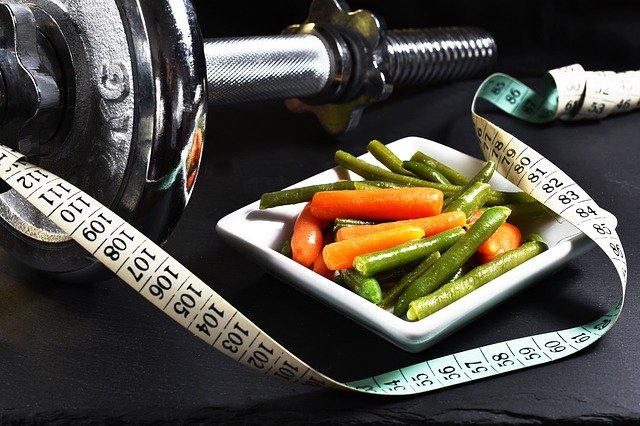
A few
examples
- a traditional ice cream vendor can
highlight fruit that are low in sugar or calories.
- a specialist in fresh squeezed juice
on demand can highlight the richness in vitamins C
or
A.
- a vegetarian or dietetic restaurant or caterer will probably focus more on calories , fats or high fiber.
Other benefits of nutritional
values
Have the opportunity to create diet
recipes
If you
want to modify your flagship recipes on the meny to make alternatives or lighter versions, you have access
to the nutritional data. To successfully adapt your recipes, you may need to review your cooking methods
(less frying, more steaming or slow cooking), or substitute certain ingredients for less caloric ones to
adapt them to today's demands of your customers.
Compose balanced menus
When you compose your menus, you then have the possibility to inform your
customers about the nutritional values of your compositions. You can also offer special adapted menus:
vegetarian, dietetic, vitamin menus for example.